Bonus Credit Pathways: Tracing How Promotional Incentives Alter Variant Wheel Bets and Adaptive Card Tactics on Handheld Platforms
Written by Paul Meier · Oct 15, 2026
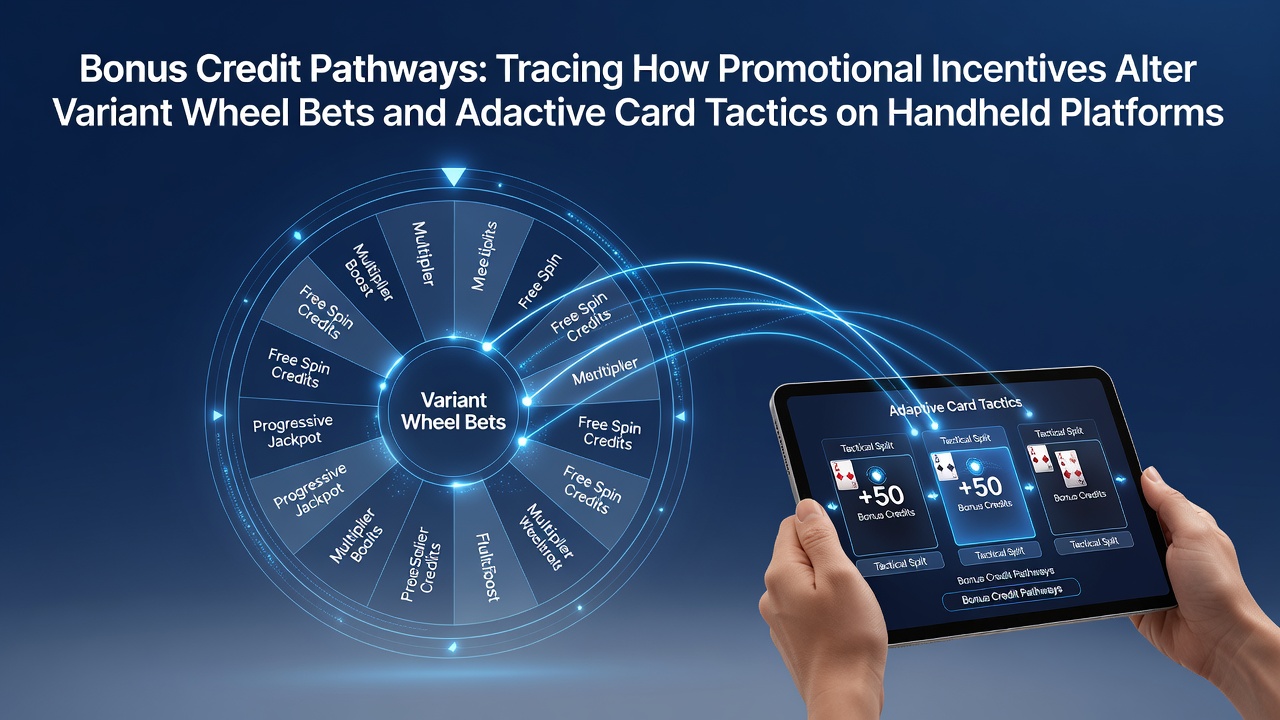
Bonus Credit Pathways: Tracing How Promotional Incentives Alter Variant Wheel Bets and Adaptive Card Tactics on Handheld Platforms
Promotional incentives reshape player decisions across mobile platforms where variant wheel bets and card games operate under real-time credit adjustments. These credits appear as matched deposits, free spin allocations, or wager-free bonuses that integrate directly into betting interfaces on smartphones and tablets. Industry data from October 2026 shows mobile gaming segments accounting for 38 percent of total U.S. casino revenue growth that month, according to figures released by the Nevada Gaming Control Board.
How Credits Modify Wheel Variant Mechanics
Variant wheel games such as multi-zero European layouts or accelerated American formats receive direct influence from bonus structures because minimum bet thresholds often drop when credits activate. Players adjust stake sizes on individual number clusters or color segments once the credit balance appears in the interface, shifting from standard progression systems to accelerated covering patterns. One study from the University of Nevada Reno gaming research lab tracked session data and found that bonus-eligible accounts placed 22 percent more outside bets on wheel variants compared with cash-only sessions during the same period.
Handheld platforms display these adjustments through dynamic bet sliders that highlight eligible credit portions in separate colors. This visual separation encourages quicker decisions on wheel spins because the system automatically deducts from promotional balances first. Adaptive algorithms within the apps further modify payout displays to reflect remaining credit value after each spin, allowing users to recalibrate risk levels without leaving the game screen.
Card Game Adaptations Under Credit Influence
Card tactics evolve when promotional credits enter play because split and double-down options become more accessible once the system unlocks lower effective bet minimums. Blackjack variants on mobile devices register these changes through on-screen prompts that update strategy charts in real time based on current credit status. Research from the Canadian Institute for Gaming Studies indicates that players using bonus credits in October 2026 increased double-down frequency by 17 percent on handheld tables while maintaining similar session lengths.
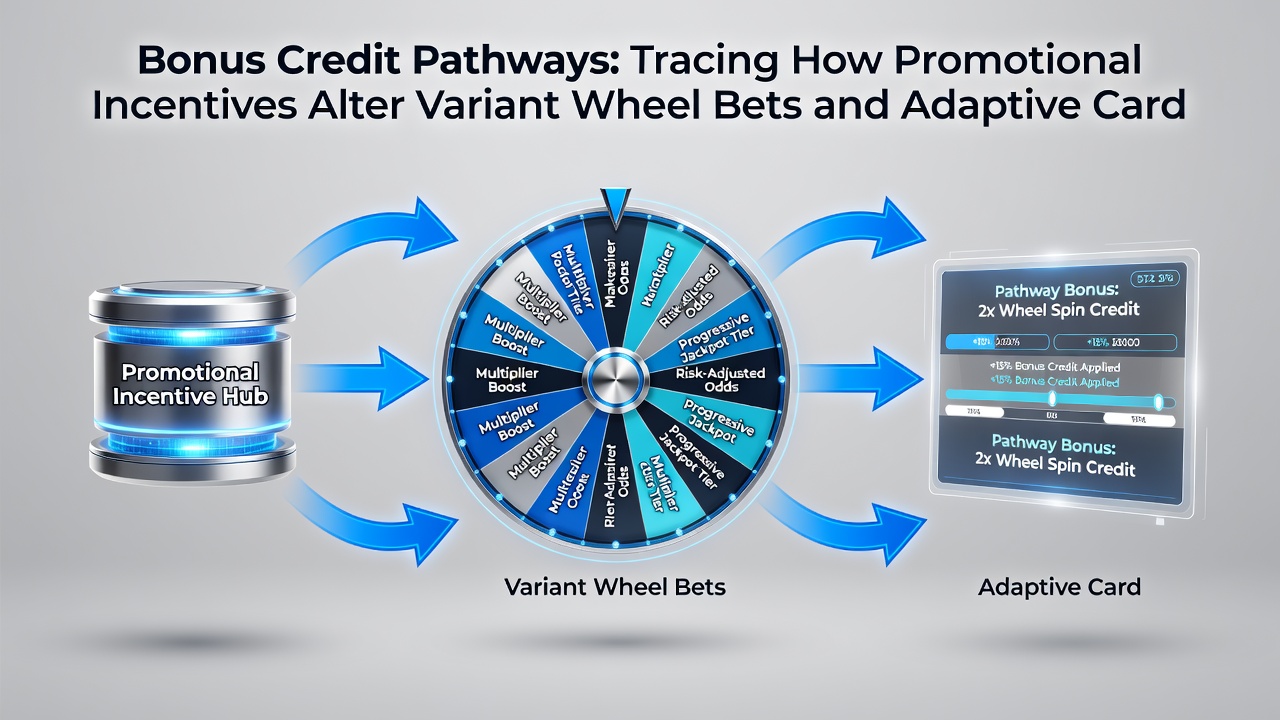
Poker formats experience parallel shifts where credit pathways alter pre-flop raise sizing and continuation betting patterns. Mobile applications track these adjustments through session analytics that feed back into the interface, showing players updated pot odds that incorporate remaining bonus value. Observers note that this integration reduces hesitation during decision windows because the system calculates credit impact before each action registers.
Platform-Level Integration Patterns
Handheld systems connect credit tracking directly to game servers so that promotional balances update across wheel and card titles without requiring separate logins. This seamless flow produces measurable changes in bet distribution, with data from the Australian Interactive Gaming Association showing elevated use of variant wheel side bets once credits activate. The same reports document increased adoption of adaptive card features such as auto-hold recommendations that adjust based on bonus expiration timers.
October 2026 brought additional regulatory clarity in several U.S. states regarding how operators must display credit expiration within mobile interfaces. These rules prompted developers to embed countdown elements alongside bet selectors, which in turn influenced how quickly players exhausted promotional balances on higher-variance wheel options versus steadier card progressions.
Cross-Game Credit Movement Effects
Credits often migrate between wheel and card environments within single sessions, creating observable patterns in how users reallocate remaining balances. Mobile logs reveal that players who begin on variant wheels frequently transfer unused credits to card tables once wheel variance produces early losses, while the reverse migration occurs when card sessions generate surplus credits. This movement alters overall exposure because wheel games typically accept larger single-bet sizes once credits accumulate.
Developers have responded by adding transfer confirmation screens that list projected changes to minimum bets and payout multipliers across both categories. Those screens reduce friction and keep users engaged longer within the same application ecosystem.
Conclusion
Bonus credit pathways continue to shape mobile gaming behavior through direct integration with wheel variant mechanics and card adaptation systems. Data collected through October 2026 demonstrates consistent shifts in bet sizing, decision frequency, and cross-game movement that operators monitor via platform analytics. Regulatory updates and interface refinements further standardize how these incentives appear to users, maintaining transparency while preserving the dynamic adjustments that define current handheld play.